Skip to product information
1 of 1

My Store

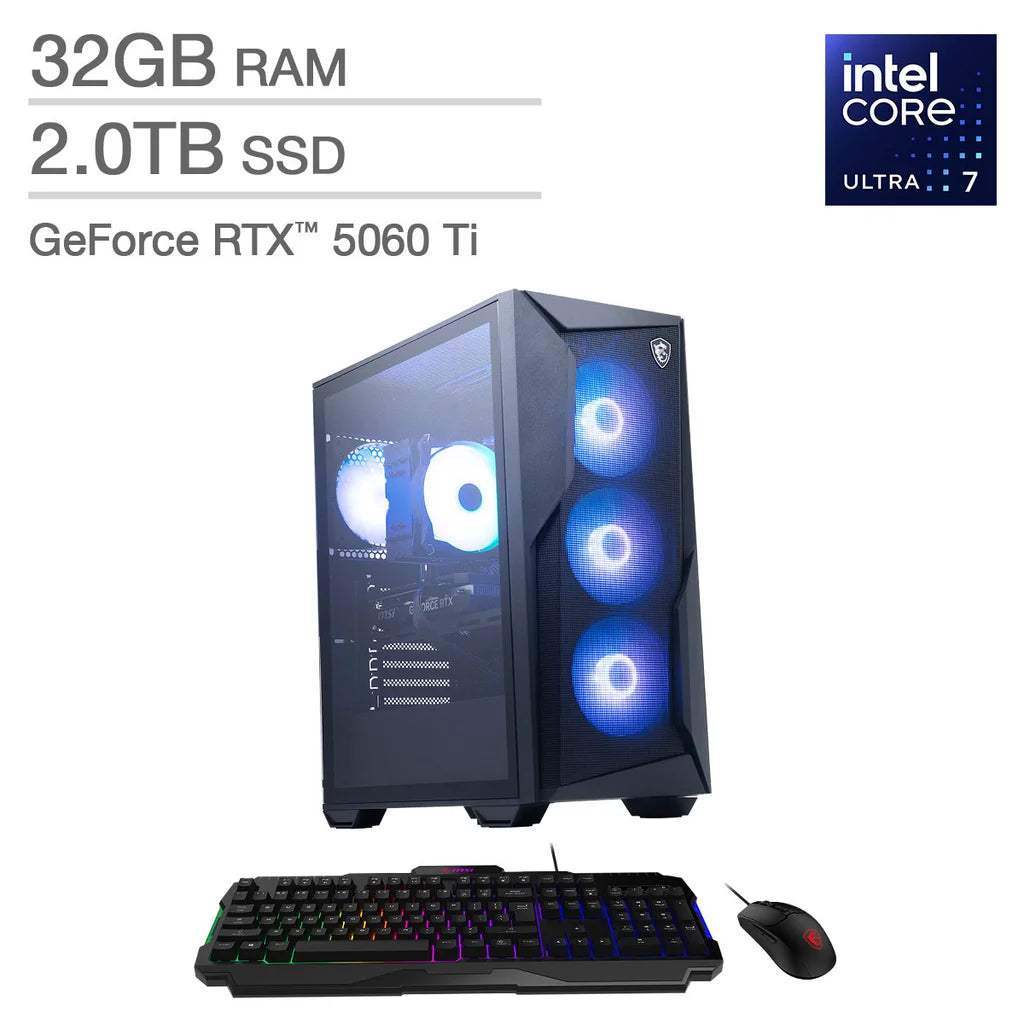
MSI Codex R2 Gaming Desktop – Intel Core Ultra 7 265 - GeForce RTX 5060 Ti 16GB – 32GB RAM – 2TB – Windows 11

MSI Codex R2 Gaming Desktop – Intel Core Ultra 7 265 - GeForce RTX 5060 Ti 16GB – 32GB RAM – 2TB – Windows 11

Regular price Rs. 78,000.00
Regular price Sale price Rs. 78,000.00
Sale Sold out
Quantity
  • Intel® Core™ Ultra 7 Processor 265 (20-core)
  • NVIDIA® GeForce RTX 5060 Ti 16GB
  • Wi-Fi 6E & Bluetooth® 5.3
  • RGB CPU Fan Cooling
  • Microsoft® Windows 11 Home
View full details

Summary


Operational excellence is one of the dimensions of software excellence that has gained importance in modern software. It requires putting the people who operate and maintain software first, actively upgrading skills, innovating tools, and continuously improving. ITIL, by itself, cannot meet the operational requirements of modern software. Different companies have had different approaches to tackle this problem.


Thoughtworks’ approach relies on its own revolutionary ideas and practices that have already been applied to numerous projects and clients. In case ITIL is mandatory, it must be used in conjunction with other systems that can cater to modern, evolutionary software helping to reduce maintenance costs, preferably to Zero.

What is Industrial Development?

ITIL (Information Technology Infrastructure Library) is not about people. It's a framework describing a range of processes, procedures, tasks, and checklists applicable to an organization with IT assets. It has played a large role in creating the IT organizations that are there today: behemoths that have large numbers of people supporting complex processes through service management and ticketing systems.

Modern software provides greater resilience and ability to remain in sync with the rapid changes of customer needs and wants. Today’s software development uses lean and agile principles, in the cloud, adopting practices like continuous integration/delivery and everything as code (infrastructure, configuration, policy, etc.), employing architectural patterns like microservices, serverless and deploying with containers and service orchestration. These principles, practices and changes have significantly improved the requirements for digital operations from mindset, skillset and toolset.